The trimming that keeps
slipping to next weekend.
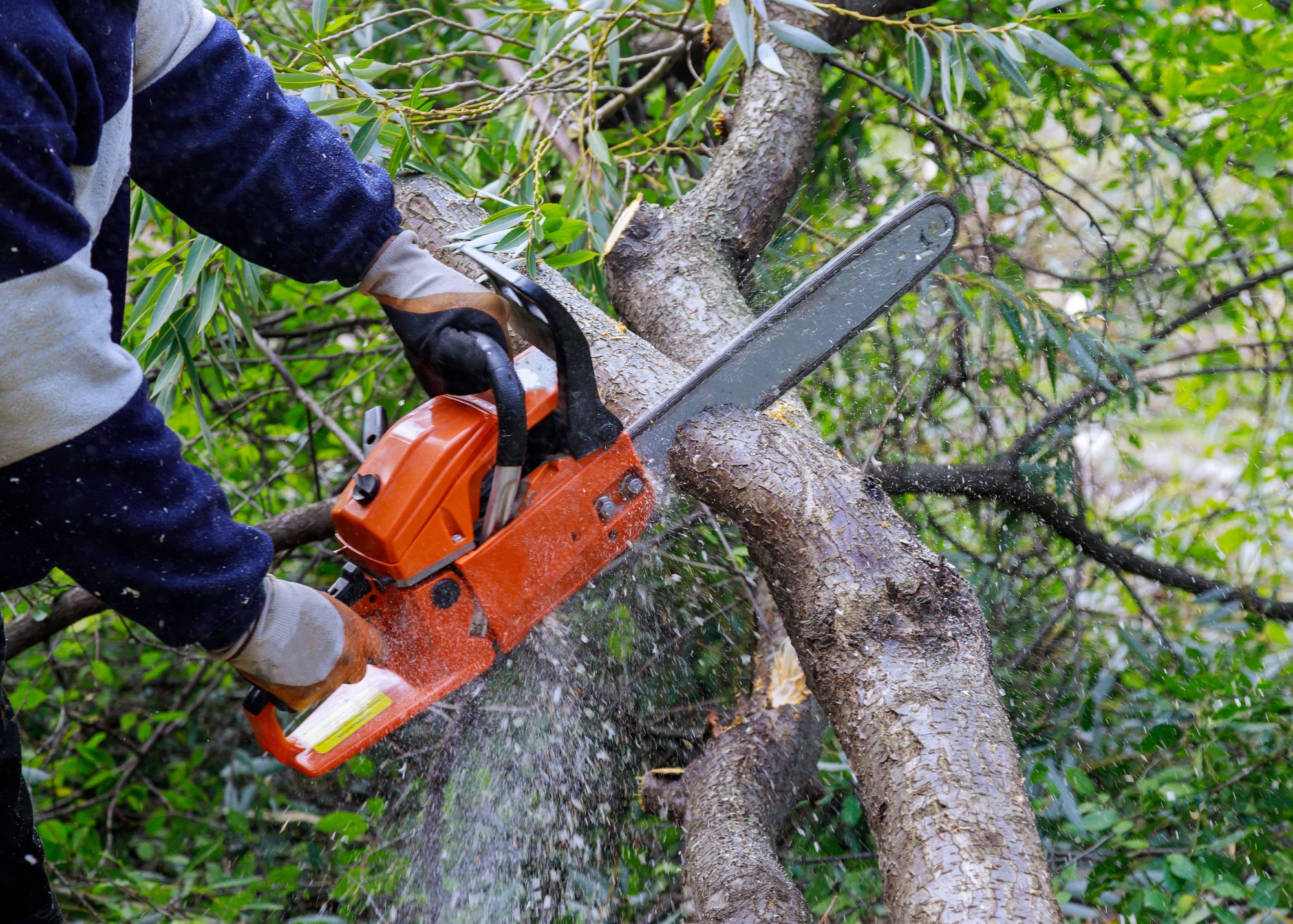
Low branches over the driveway. Shingle-scraping limbs. The ornamental leaning into the walk. Ladder- height work handled cleanly, brush hauled off, and the yard tidied before we leave. Larger takedowns stay with a proper tree service, we’ll say so honestly when that’s the right call. Estimates are free, and a photo is usually enough to get one.
A handyman with a ladder,
not an arborist with a bucket.
Every Topeka yard has a version of the same short list. A limb that has been drumming the gutter for two summers. A shrub row that quietly grew past the window. The redbud in the front yard that looks a little tired. None of it justifies calling out a full crew and a chipper truck, and none of it is going to fix itself either.
That’s the space this service lives in. Ladder- height work, small ornamentals, hedges, and the post-storm cleanup that shows up after a rough Kansas night. Done cleanly, hauled off, and finished the same visit, usually alongside whatever else you already had on the list.
For mature-tree takedowns, climbing work, and anything close to a power line, we’ll refer you to a proper tree service. Honest scope keeps everyone safer, and keeps the invoice clean.
Four cues most homeowners walk past every day. Any one of them is a good enough reason to put a small visit on the calendar.
- 01
You can hear the roof before you see it
A branch that scrapes the shingles every time a Kansas breeze picks up is quietly wearing the roof out one storm at a time. Shingle granules on the driveway are usually the first tell.
- 02
The sidewalk is a duck-under
If deliveries, the mail carrier, or the neighbor’s stroller has to lean past a low limb to reach your front door, the tree has quietly grown past neighborly.
- 03
The driveway shows sap and scratches
Trucks and SUVs are taller than the sedan you bought the house with. Limbs that used to clear the driveway are now painting the side of the tailgate.
- 04
A limb is holding on by half its wood
A crack near the trunk, bark peeling back, or a branch that never leafed out this spring. Small hazards worth handling before the next thunderstorm decides for you.
Eight familiar trimming visits around Topeka homes. Bundled into one appointment whenever possible.
Limbs off the roof and gutters
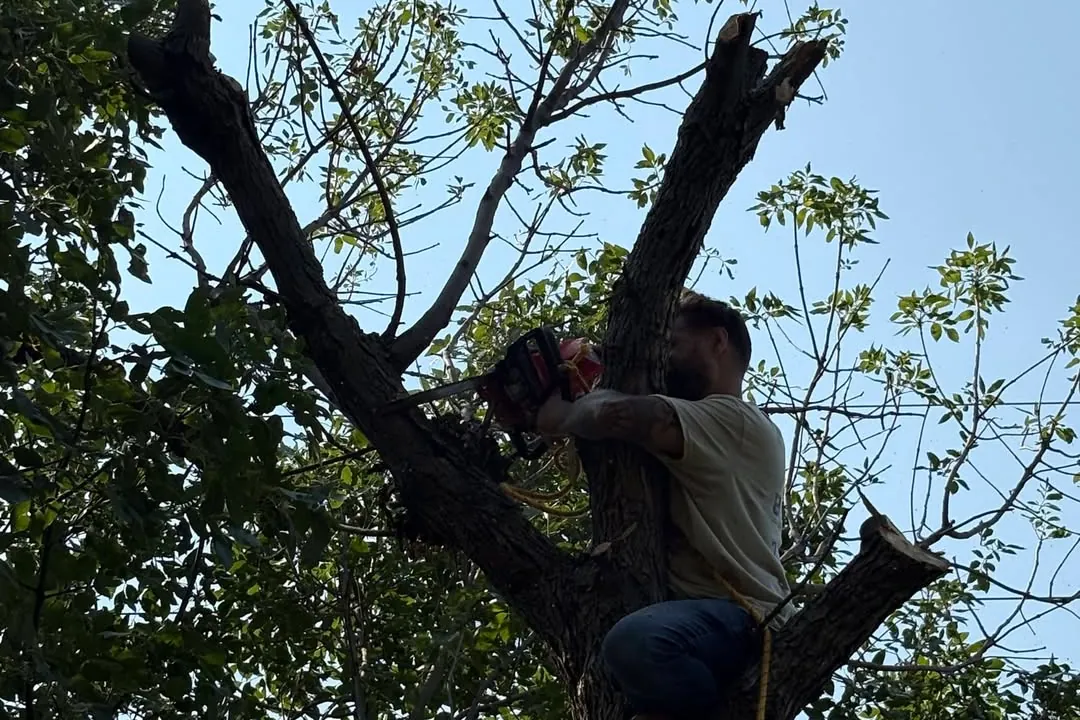
Low branches scraping shingles, resting on the eave, or dropping leaves straight into the gutter. Trimmed back to a clean cut and the pile hauled off the same visit.
Clearing the sidewalk
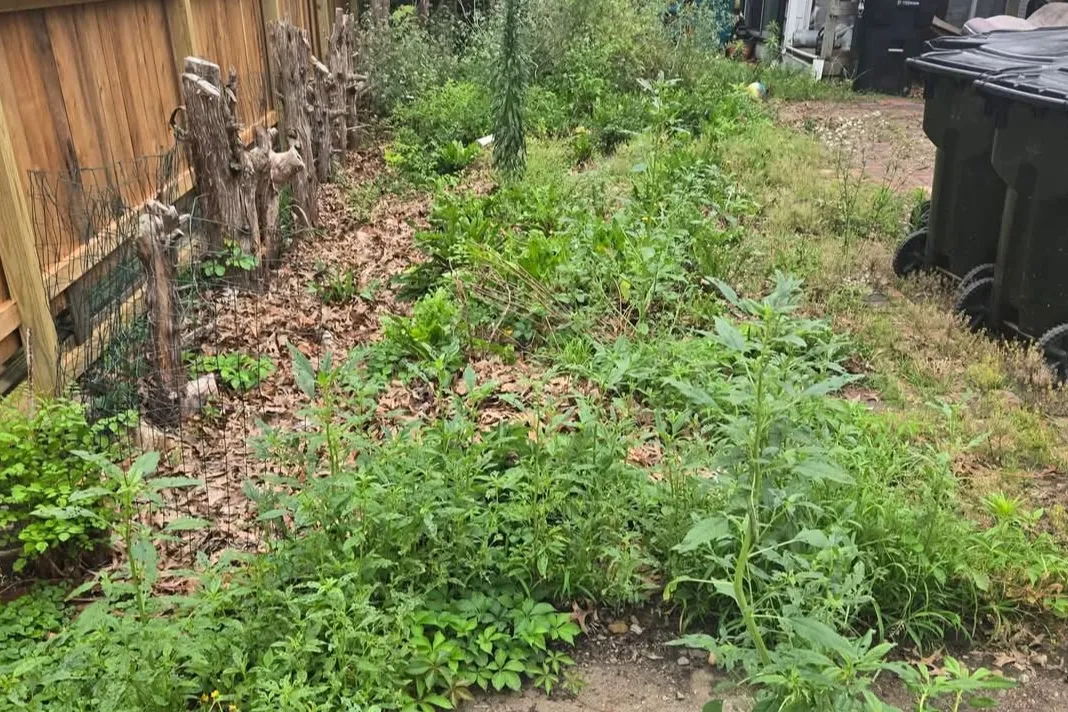
Front walk overgrown from both sides, low limbs snagging shoulders, or hedges that swallowed the address numbers. Cut back to a normal walking height and cleaned up along the edge.
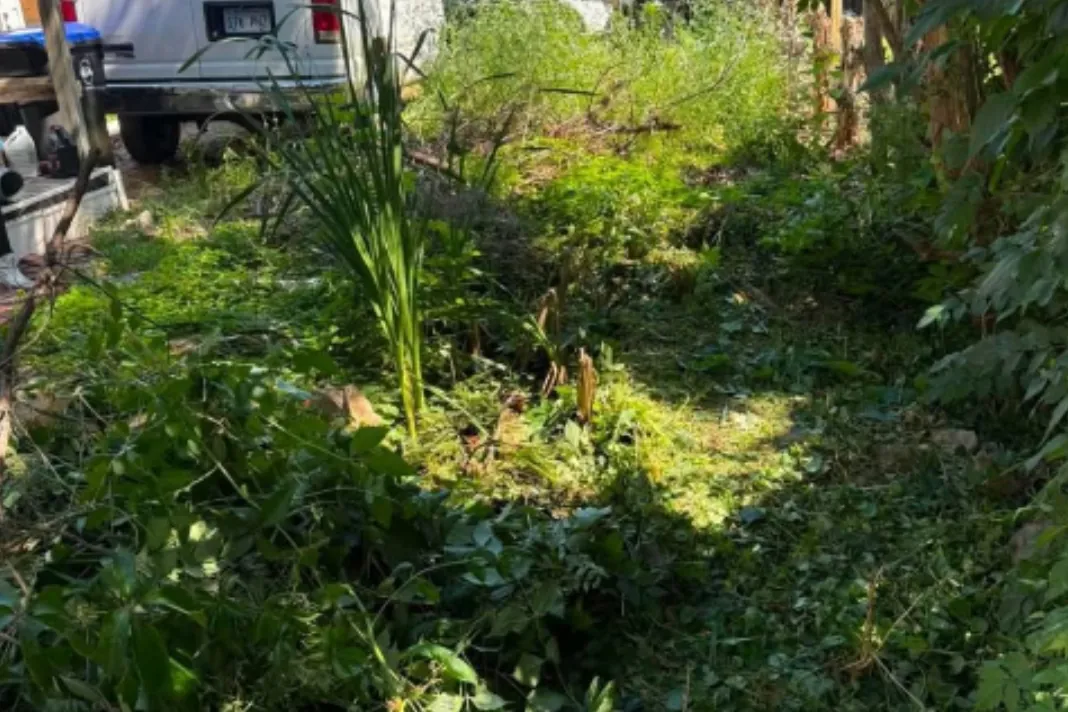
Driveway and garage clearance
Low branches over the driveway, limbs brushing the garage door, and the ornamental that’s slowly leaning into the mailbox. Raised for truck-height clearance and shaped so it still looks intentional.
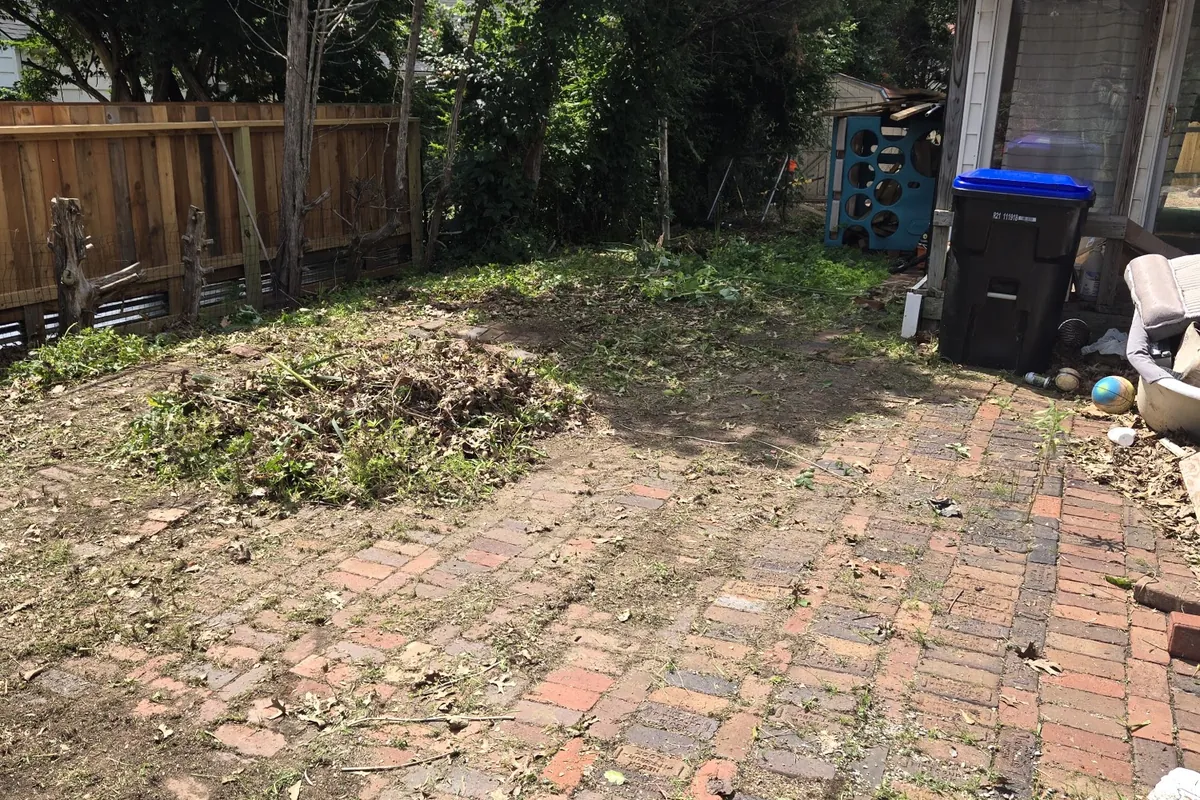
Ornamental tree trimming
Redbuds, dogwoods, small maples, crabapples, and the front-yard ornamentals that carry the curb appeal. Dead wood pulled out, crossing branches thinned, and the shape tidied without over-cutting.
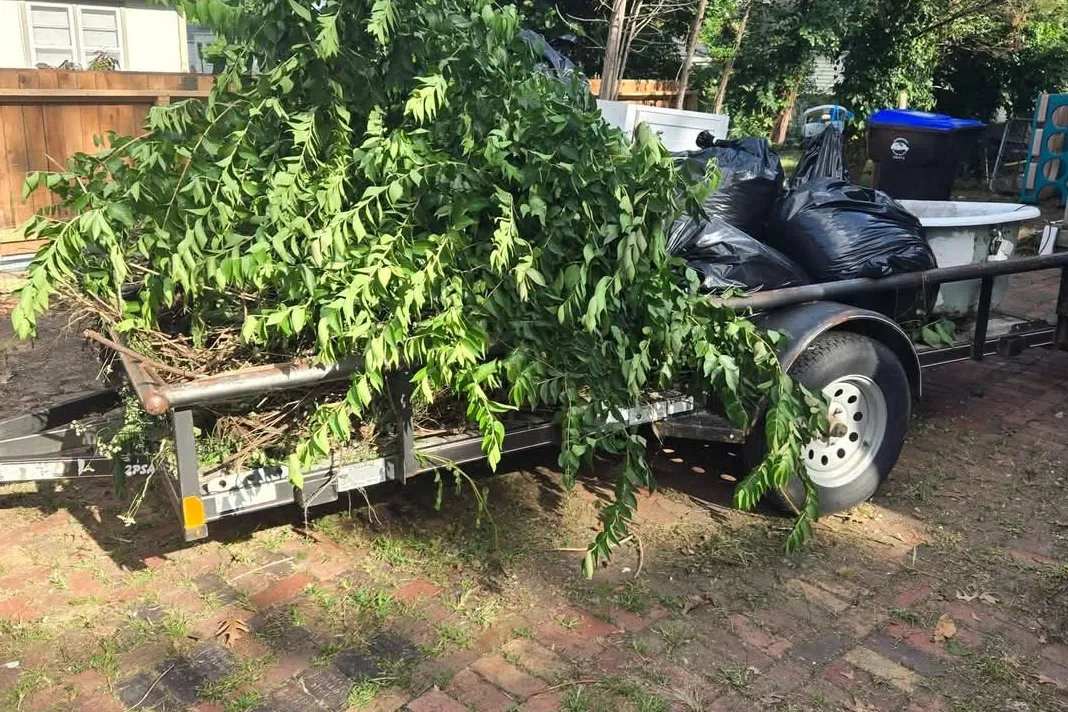
Storm-damaged limb cleanup
The morning after a Kansas thunderstorm, one heavy limb down, a couple more cracked, and brush across the lawn. Damaged wood cut back cleanly, debris bundled, yard walked one last time.
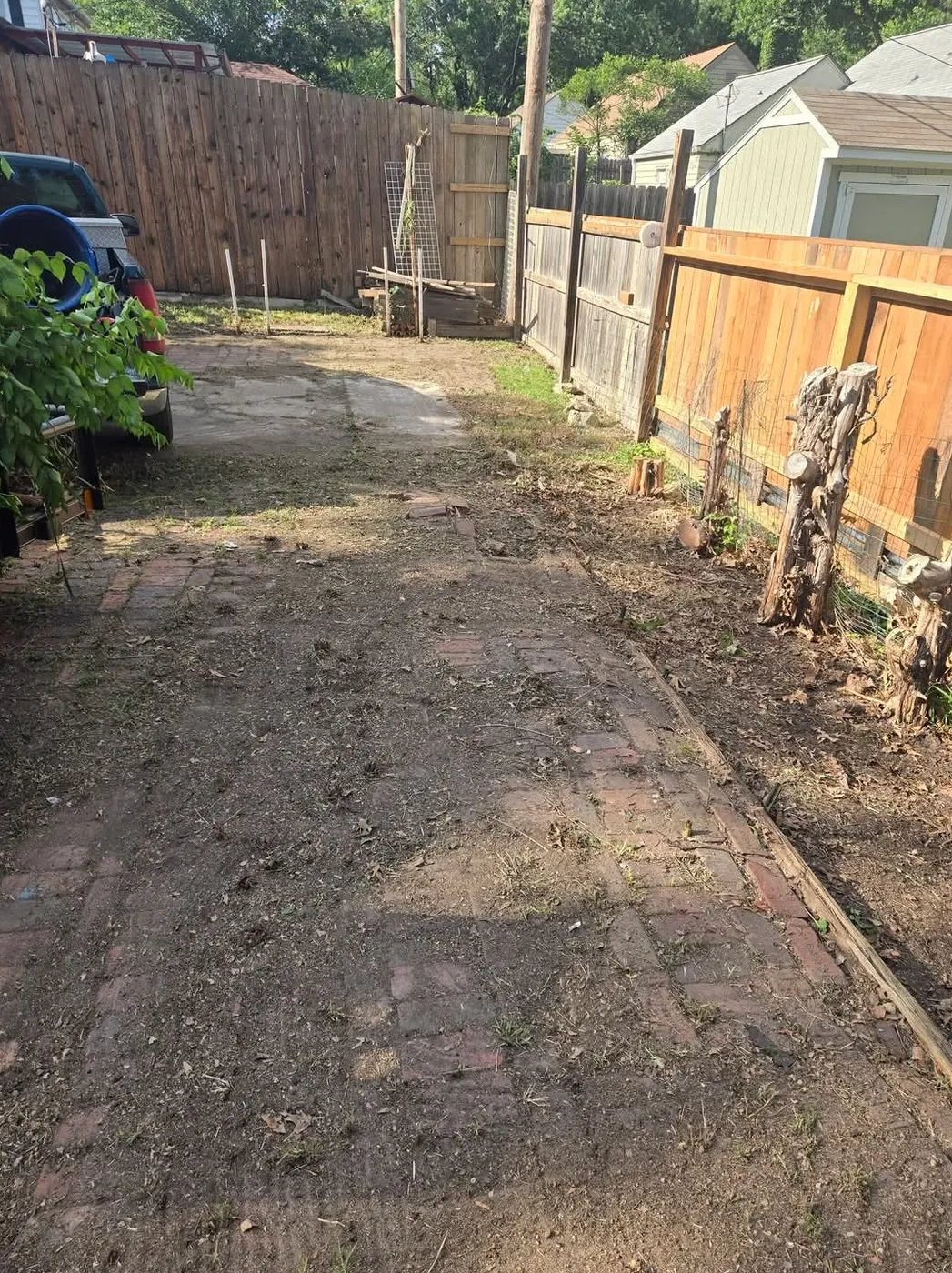
Improving visibility around the home
Branches blocking porch lights, security cameras with a leaf in the frame, and shrubs that grew tall enough to cover a window. Trimmed for line-of-sight without stripping the plant.
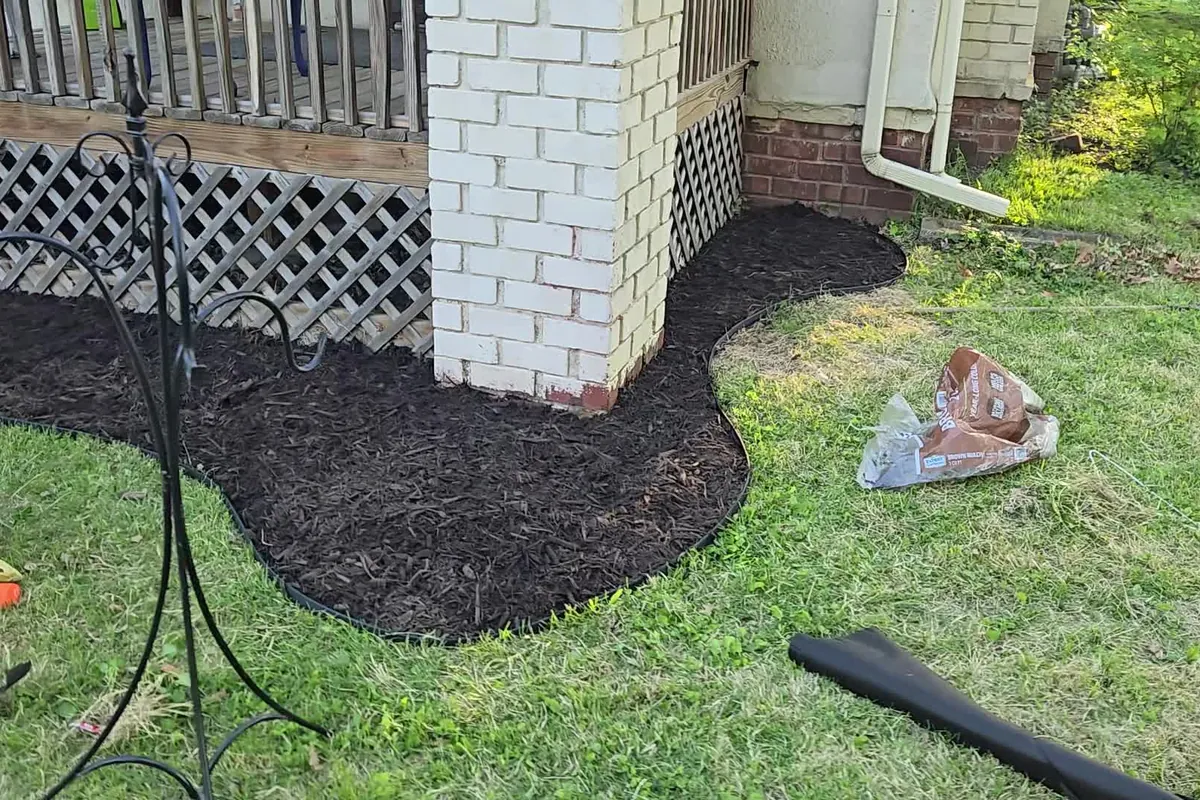
Seasonal shrub and hedge trimming
Boxwoods, yews, burning bush, and the row of hedges along the property line. Shaped seasonally so nothing gets away from you between visits.
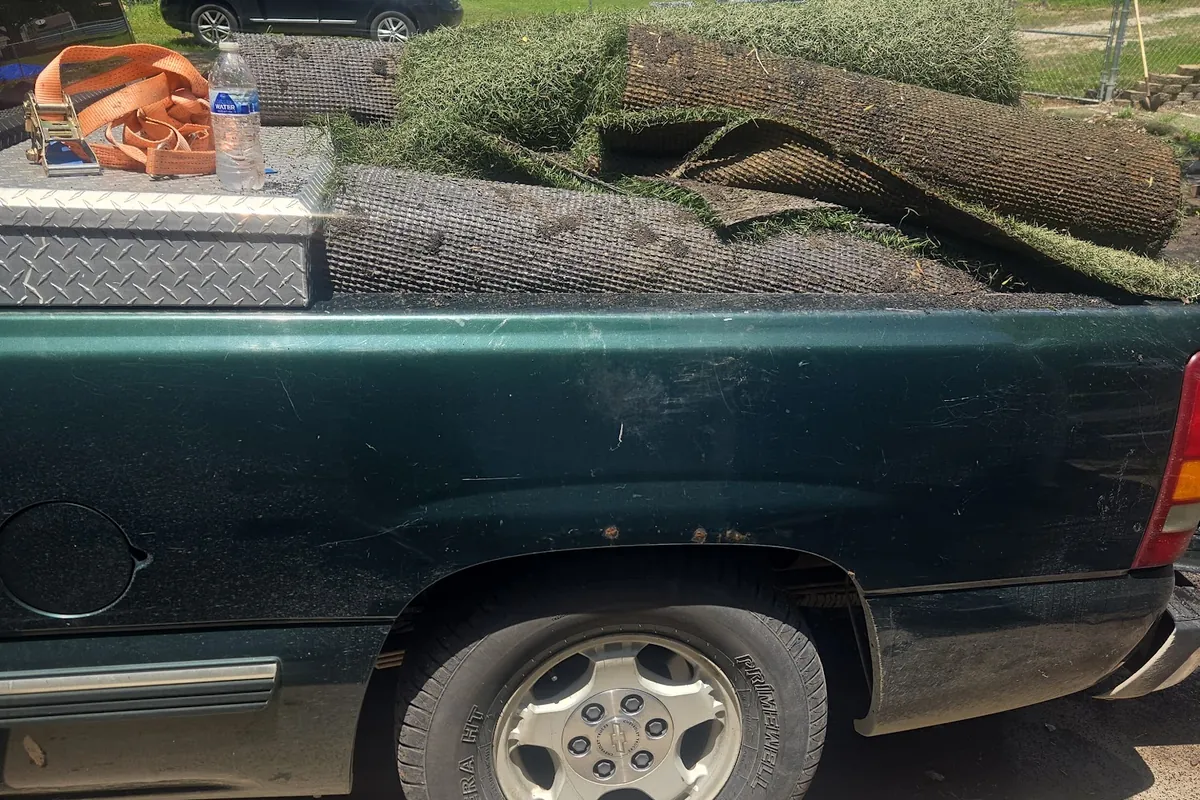
Yard cleanup after the cutting
Brush bundled to the trailer, sawdust swept off the driveway, and the flower bed raked back to how it looked at the start of the day. The last step is always the tidy-up.
Already scheduling another repair? Let’s handle the trimming during the same visit.
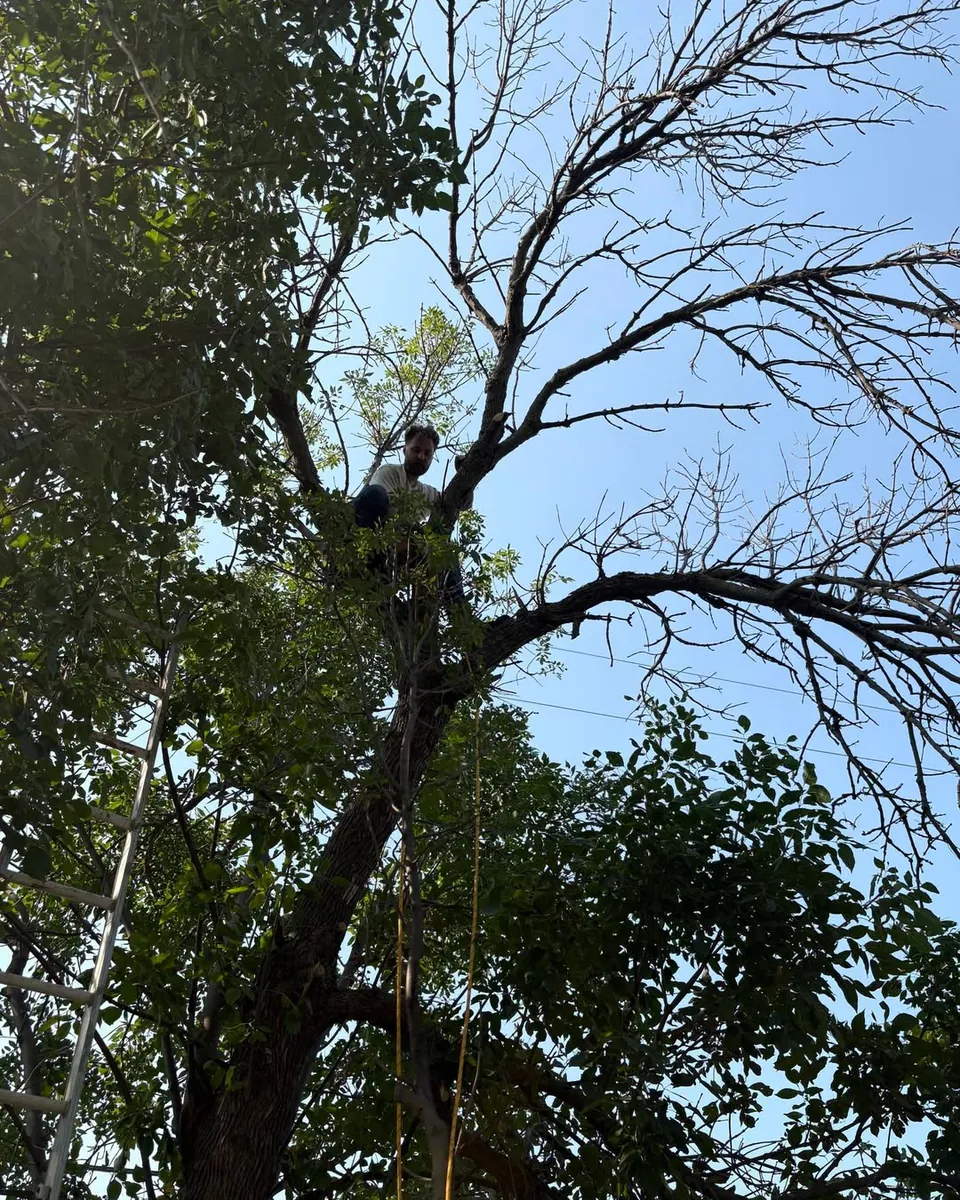
When to call an arborist instead.
Being clear about what we don’t do is the whole point of a page like this. Tree work above a certain size needs different equipment, different insurance, and a crew that climbs. Any of the following belongs there, not here.
- Reachable from a ladder or the groundSmall ornamentals, shrubs, and lower canopy work on mature trees. The rule of thumb is a sturdy extension ladder and two feet on the rungs, not climbing gear.
- No power lines, no bucket trucksAny limb near a service drop, transformer, or high overhead branch belongs with an insured tree service. We’re happy to point you to one worth calling.
- Not a full takedownMature-tree removals, hazardous leans, and anything requiring a chipper truck are outside the scope. That’s arborist work, different insurance, different equipment, different day.
- No stump grindingGrinders and their operators are their own specialty. If a stump is in the plan, we’ll trim the top so it’s ready and hand off the grinding to the right crew.
Four steps from the first photo to a tidy yard. Nothing complicated on purpose.
- 01
Send a couple of photos
One from the yard, one closer to the tree. That’s enough to know whether the job fits the ladder-height scope or belongs with a full tree service.
- 02
A straight quote before we start
One flat number for the visit that includes the trimming, the haul-off, and the yard tidy at the end. No hidden dump fees on the invoice.
- 03
Cut cleanly, protect the yard
Tarps under the drop zone, drop cloths on flower beds, and clean cuts at the branch collar so the tree heals the way it should. Grass gets walked, not driven on.
- 04
Brush off-site the same visit
Everything trimmed rides out on the trailer that day. You come home to a shorter tree and an empty yard, not a brush pile waiting on a second appointment.
Local, honest about the scope,
and easy to schedule.
Most Topeka yards don’t need a full tree crew, they need somebody to knock out a short list of small trimming work without turning it into a project. Brown’s Maintenance is set up for exactly that. One familiar handyman, small equipment, honest hours, and the brush gone by the end of the visit.
Because it’s the same handyman who handles the rest of the punch list, trimming pairs naturally with a gutter re-hang, a fascia patch, or the mailbox that never sat straight after last winter. One visit, one invoice, one fewer weekend spent on the ladder.
And when a job is honestly outside the scope, we’ll say so and point you to a tree service worth calling. That’s the trade we’re trying to be known for.
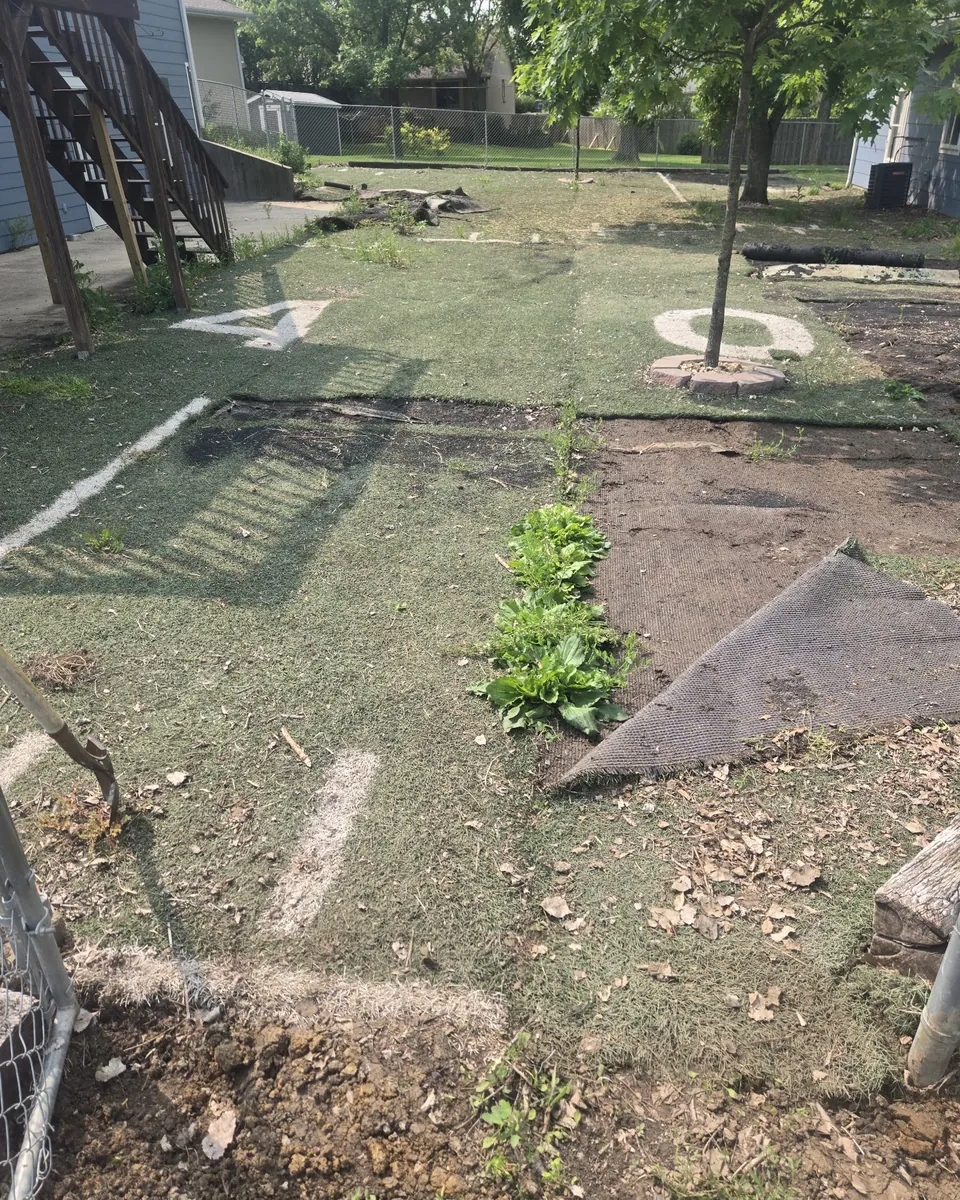
“Justin and his helper trimmed my tree today. They did an excellent job. They exceeded our expectations. They arrived promptly as scheduled. After the job was completed they throughly clean the work area. This is the second time we have used Brown's. We will be using them again in the future. We highly recommend Justin and crew.”
A dozen answers to the questions Topeka homeowners ask before booking a small trim. If yours isn’t here, a quick text usually gets a same-day reply.
- Do you remove large trees?
- No, mature-tree removals belong with an insured, arborist-led tree service. If a tree needs to come down, we’ll say so and point you to a Topeka crew we trust.
- Can you trim branches away from my roof?
- Yes, provided the limbs are reachable from a ladder and the tree isn’t tangled with power lines. Shingle-scraping branches and gutter-loading limbs are one of the most common calls.
- Do you haul away branches?
- Every time. The brush leaves on the trailer the same visit, that’s the whole point. No cleanup left on the lawn for you to worry about.
- Can tree trimming be combined with handyman repairs?
- Absolutely. If a fascia board is soft where a limb has been resting, or the gutter needs a re-hang once the branch is gone, we’ll handle both during one visit and one invoice.
- When is the best time to trim small trees?
- Late winter and early spring are ideal for most Kansas hardwoods, the tree is dormant and the shape is easy to see without leaves. Light shaping and safety trims can happen any time of year.
- Do you handle post-storm cleanup?
- Yes. Downed limbs, cracked branches, and yard debris after a thunderstorm are a regular call. We prioritize storm cleanups when the schedule allows, especially when a limb is on the roof or the driveway.
- How do you decide what to cut?
- Dead wood, crossing branches, and anything overhanging structure or paths, in that order. The goal is a tree that looks like it was tidied, not chopped. Over-pruning weakens the tree, so we err on the conservative side.
- What about limbs near power lines?
- Anything within ten feet of a service drop, transformer, or overhead line stays with the utility or a licensed line-clearance crew. It’s not a scope of work we take on, no exceptions.
- Do you trim shrubs and hedges too?
- Yes. Boxwoods, yews, burning bush, hollies, and the standard Topeka hedge line are all part of the same visit. Shaped seasonally so nothing runs away between calls.
- Will trimming damage the tree?
- Not when it’s done cleanly. Cuts at the branch collar, no flush cuts, and no more than about a quarter of the canopy in a single season. Small, thoughtful trims keep the tree healthier than a big correction later.
- How soon can you get out here?
- Non-urgent trimming is usually scheduled within a week or two. Storm cleanup and safety issues, a limb on the roof, a branch across the driveway, get moved up whenever the calendar allows.
- Are you insured for this?
- Yes. General liability covers the small-scope trimming and cleanup work described on this page. For anything larger than that scope, we refer to insured tree services with the right coverage for climbing and takedown work.
Let’s knock out
your list.
One call, multiple repairs. Ring me or send a photo of what needs fixing. You’ll get a straight answer and a fair price, usually the same day.
Same-day answers · No pushy quotes · Locally owned in Topeka